

When global technology leaders discuss Southeast Asia’s digital infrastructure growth, the conversation often centres on hyperscale campuses, power capacity and available land. But the next phase of the AI economy will not be won by infrastructure alone. It will be won by regions that can combine AI-ready data centres, strong connectivity, sustainable operations and deep technical talent. This is where Northern […]

When global technology leaders discuss Southeast Asia’s digital infrastructure growth, the conversation often centres on hyperscale campuses, power capacity and available land. But the next phase of the AI economy will not be won by infrastructure alone. It will be won by regions that can combine AI-ready data centres, strong connectivity, sustainable operations and deep technical talent. This is where Northern Malaysia is gaining strategic relevance.
Anchored by Penang’s semiconductor and advanced manufacturing ecosystem, and strengthened by Kedah’s emerging role in digital infrastructure, Northern Malaysia is becoming one of Malaysia’s most important talent corridors for the AI era.
Penang has long been known as the “Silicon Valley of the East”, supported by decades of electrical and electronics excellence, global manufacturers and technical SMEs.
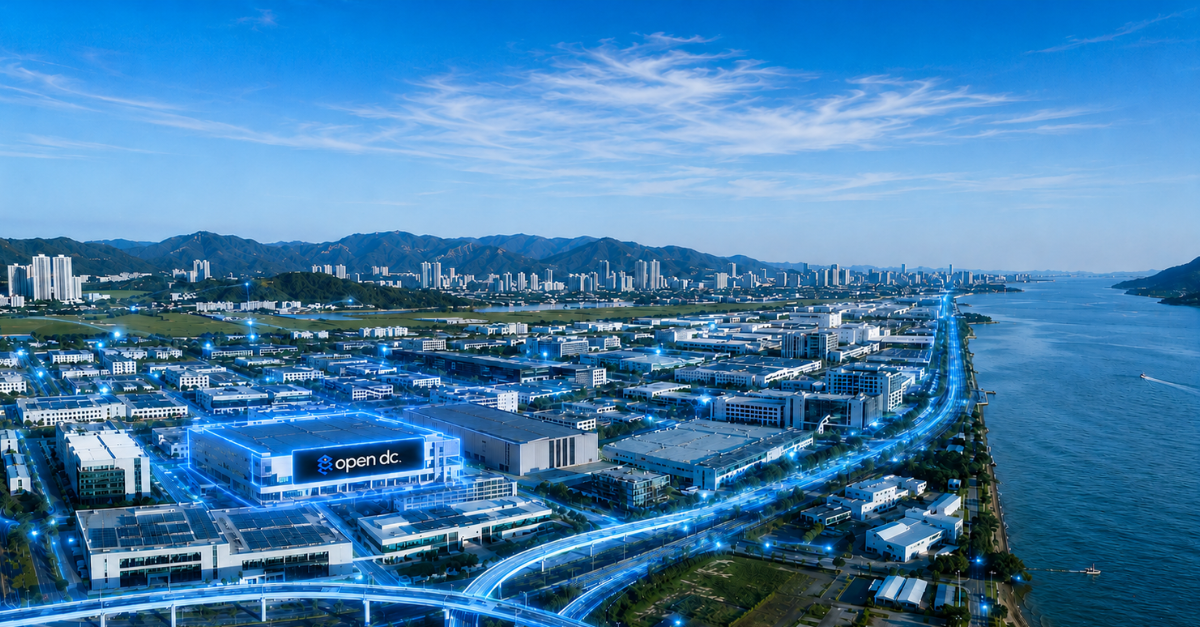
Today, that ecosystem is moving beyond traditional manufacturing. Malaysia’s National Semiconductor Strategy is pushing the country further up the value chain into semiconductor design, advanced packaging and manufacturing equipment, with RM25 billion allocated in targeted incentives to support the strategy.
For Northern Malaysia, this shift is important. It is developing engineers, automation specialists, embedded software talent, integrated circuit (IC) design professionals, smart facility operators and infrastructure teams who understand how hardware, software, power and connectivity work together. That combination is exactly what the AI era requires.
Northern Malaysia’s talent advantage is built on industrial depth.
For more than five decades, Penang and the wider northern corridor have supported global electrical and electronics supply chains. This has created a workforce familiar with precision engineering, quality control, automation systems, clean environments and mission-critical operations.
These are not generic skills.
They are directly relevant to the next generation of AI infrastructure.
AI workloads require high-density racks, GPU-ready colocation, liquid cooling readiness, energy-efficient systems and strong operational discipline. Malaysia’s data centre market is shifting from traditional cloud infrastructure towards AI-ready facilities measured by rack density, liquid cooling readiness and high-performance workload support.
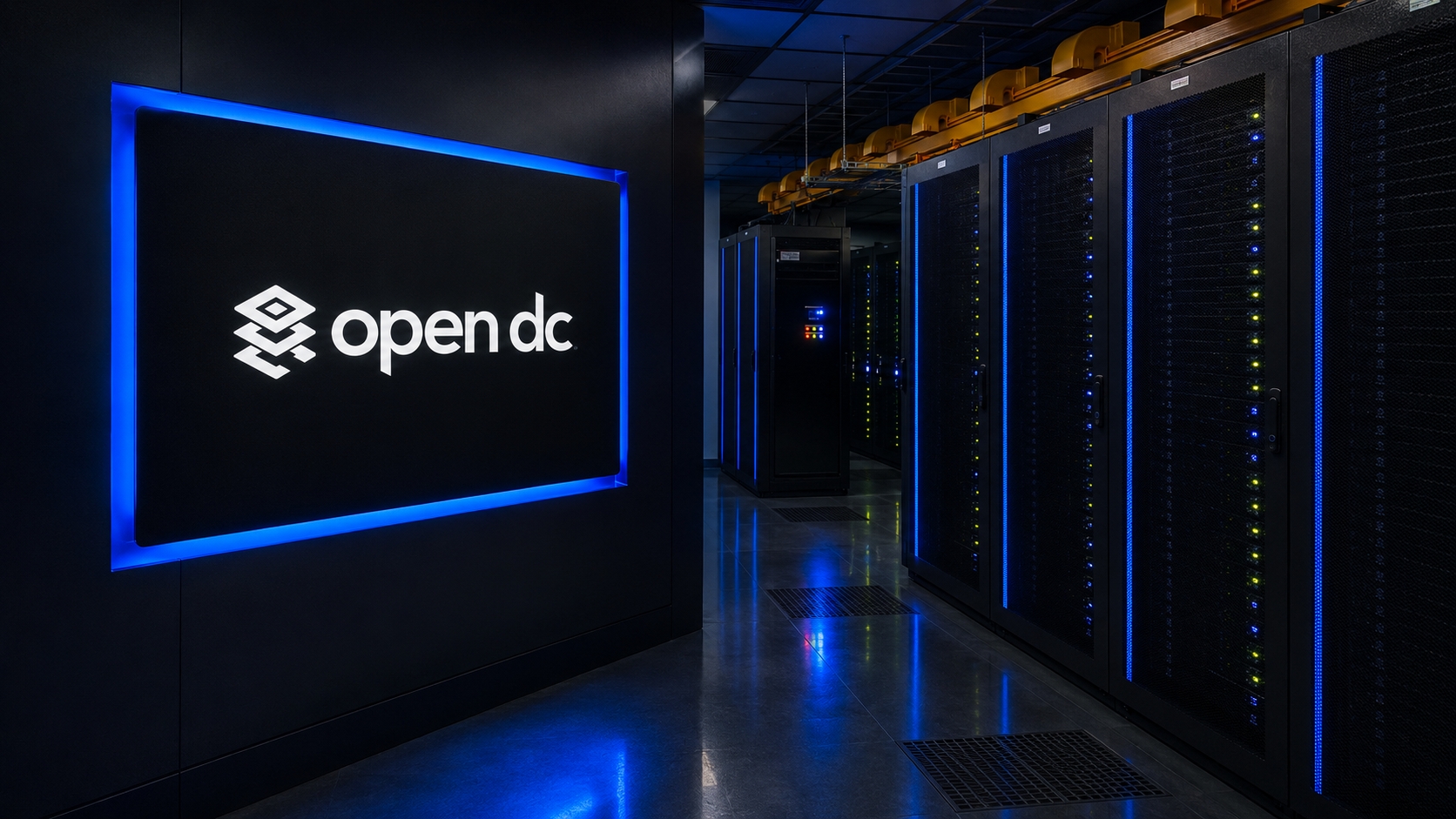
This is where Northern Malaysia stands out.
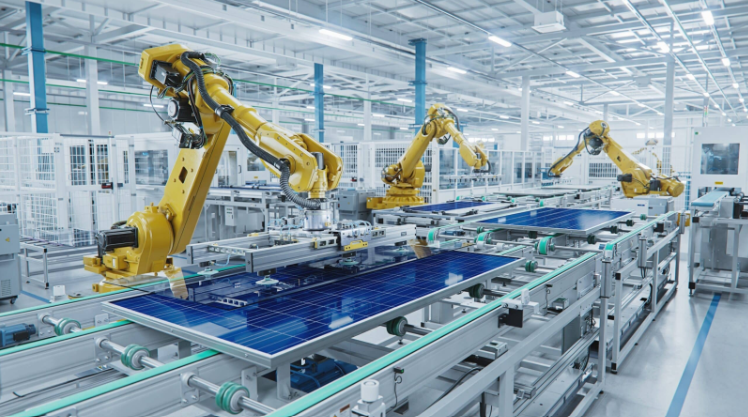
A region that already understands semiconductor production, automation and industrial reliability is naturally positioned to support AI infrastructure, edge computing and Industrial IoT workloads.
The AI era is not only about large training models.
Across ASEAN, much of the demand will come from real-world enterprise use cases: smart manufacturing, predictive maintenance, robotics, digital twins, supply-chain optimisation, autonomous systems and real-time analytics.
These workloads depend on low latency, reliable connectivity and proximity to industrial users.
Northern Malaysia already has the right foundation.
Penang’s advanced manufacturing base and Kedah’s growing industrial expansion create a strong environment for edge AI deployment. Engineers and IT teams in the region are already working close to factories, logistics hubs,production lines and global business services operations.
This gives the local workforce an important advantage.
They understand both the digital layer and the physical operating environment.
For enterprises deploying AI inference, Industrial IoT or smart manufacturing platforms, this matters. The success of these workloads depends not only on servers and software, but on people who can integrate networks, automation, sensors, data platforms and facility systems into a working industrial environment.
Northern Malaysia’s talent strength is not accidental. It is being reinforced by deliberate collaboration between government, academia and industry. The Penang STEM Talent Blueprint was developed by a working group that includes InvestPenang, Penang Institute, Penang Skills Development Centre, Motorola Solutions, Pentamaster and Intel. Its objective is to build a sustainable pipeline of STEM professionals aligned with the New Industrial Master Plan 2030 and the National Semiconductor Strategy. This is important because talent development must keep pace with infrastructure growth.
As AI workloads become more power-dense and operationally complex, Malaysia needs more than general IT skills. It needs talent across electrical engineering, mechanical systems, data engineering, cybersecurity, network operations, sustainability management and high-density facility operations.
The Penang GBS Industry Academy 2.0 further strengthens this direction. Launched in 2025, the programme aims to train 500 GenAI-ready talents by 2026 across areas such as IC design with embedded software, GBS and robotic automation. This shows that Northern Malaysia is not only relying on legacy industrial strength. It is actively preparing its workforce for the next wave of AI-led demand.
As Malaysia’s data centre sector expands, a new talent category is emerging. These are not only IT administrators or facility technicians. They are digital infrastructure specialists who understand power, cooling, connectivity, compliance and AI workload behaviour. AI-ready infrastructure requires specialised people.
High-density GPU environments need engineers who understand cooling performance, rack power density, redundancy, energy efficiency and operational risk. Sustainable data centres need teams who can optimise power usage, reduce water dependency and support long-term environmental targets.
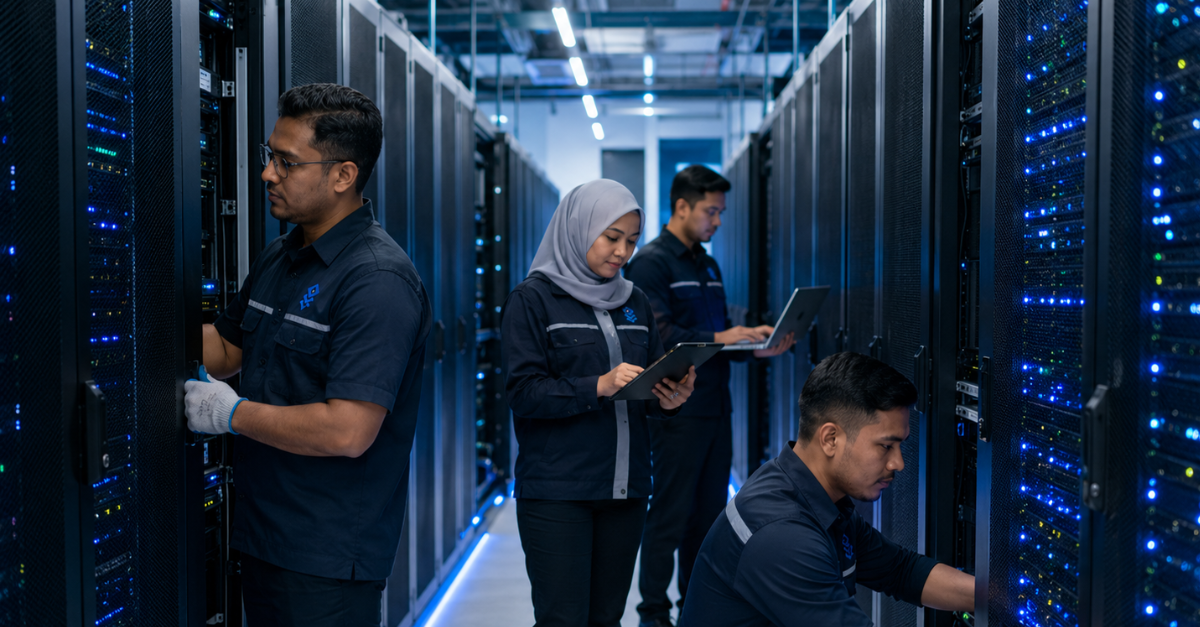
Northern Malaysia’s engineering base gives it a strong starting point.
While Penang provides the industrial and semiconductor depth, Kedah is becoming increasingly important as a digital infrastructure location.
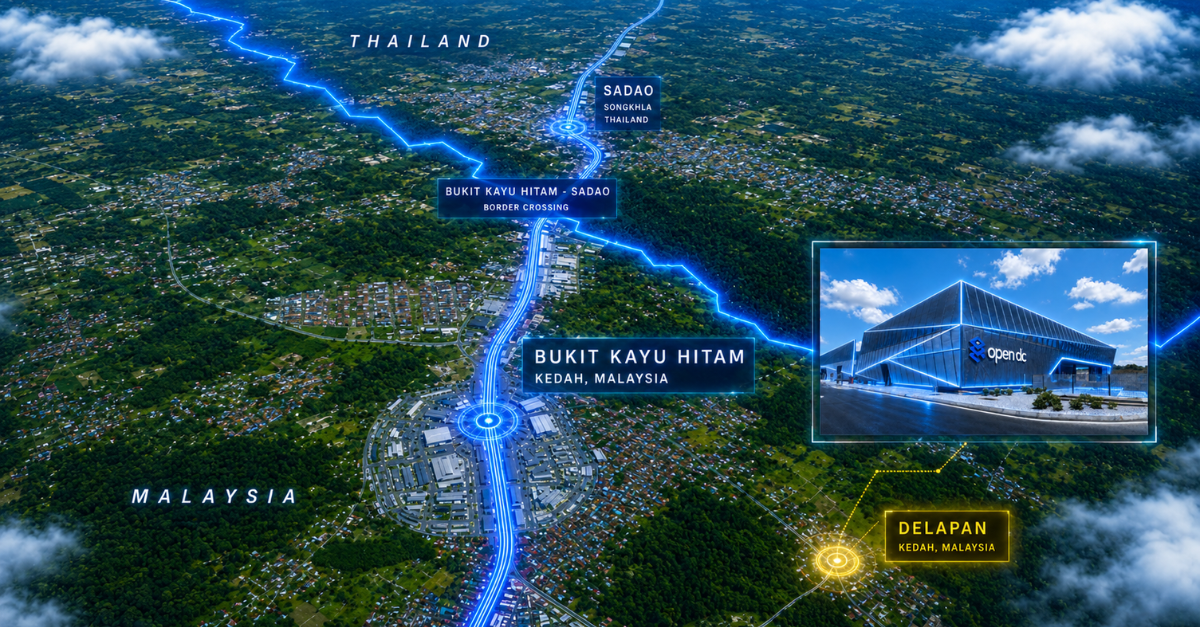
Open DC’s D8-1 data centre in Delapan, Bukit Kayu Hitam, is located near the Malaysia-Thailand border and designed as a carrier-neutral facility for telcos, cloud players, content providers and enterprises.
When AI-ready data centres, Internet Exchanges, telcos, cloud players and enterprise networks cluster in a region, they create demand for specialised roles. These include network engineers, data centre operators, interconnection specialists, sustainability managers, cybersecurity teams, facility engineers and AI infrastructure support professionals.
In other words, digital infrastructure does not only serve the economy.
It creates the next generation of technical careers.
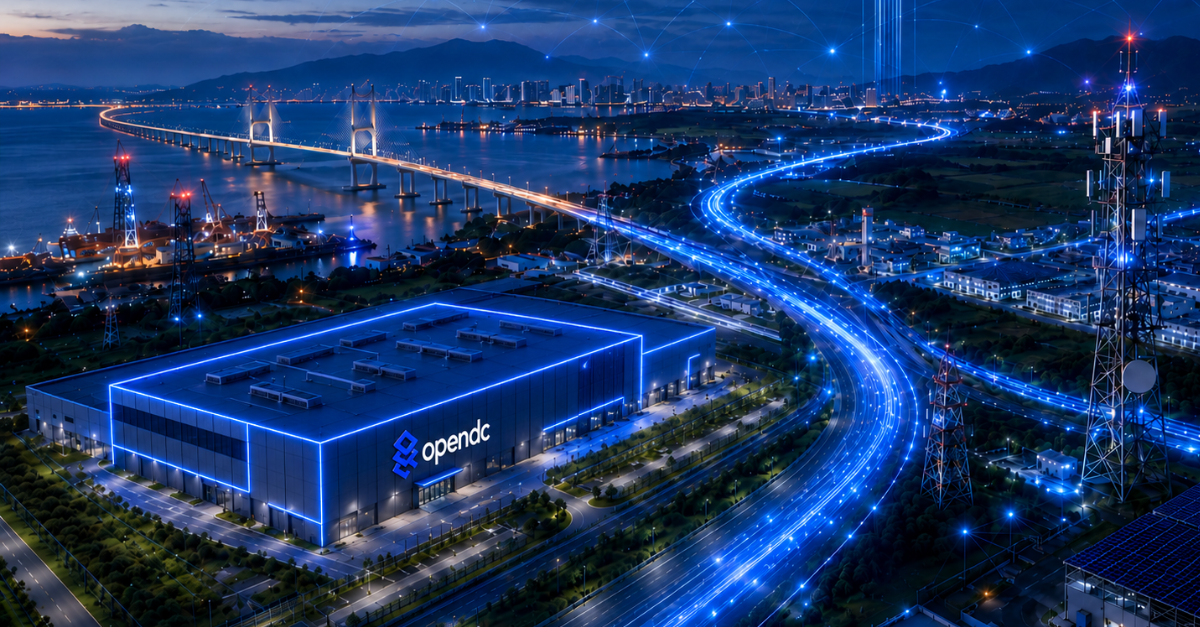
The northern corridor also strengthens Malaysia’s position as a regional platform for digital connectivity. Open DC is positioning Malaysia’s northern corridor as a strategic gateway for AI-ready infrastructure and regional data traffic, supported by PE2 in Bayan Lepas and D8-1 in Delapan.
The role of carrier neutrality, interconnection and strategic border location is important in improving route efficiency and lowering latency. This gives Northern Malaysia a powerful advantage. It is close to advanced manufacturing demand in Penang, industrial expansion in Kedah, cross-border connectivity with Thailand and wider ASEAN data traffic flows.
For businesses, this creates a stronger case for locating AI, edge and industrial workloads closer to where data is generated and consumed.
For talent, it creates long-term opportunities in high-value technical fields.
The AI economy will not be powered by infrastructure alone. It will require regions that can bring together skilled people, reliable facilities, efficient power usage, low-latency connectivity and industry-ready ecosystems.
Northern Malaysia has the precise combo. Penang brings decades of semiconductor, E&E and advanced manufacturing depth. Kedah brings strategic location, industrial expansion and new AI-ready digital infrastructure. Together, they create a northern talent corridor that is highly relevant to the future of AI, edge computing, Industrial IoT and sustainable data centre operations.
At Open DC, we see this as more than a location advantage and it is a people advantage. Through our northern presence in PE2, Penang and D8-1, Kedah, Open DC is helping connect Malaysia’s technical talent with the infrastructure needed to support ASEAN’s next phase of digital growth. The future of AI in Malaysia will not only be hosted in data centres. It will be engineered by the people, industries and ecosystems that make those data centres intelligent, efficient and connected.
Empowering Southeast Asia’s Digital Future
For further enquiries



Copyright © Open DC Sdn Bhd (1138988-T) | All Rights Reserved.