

GPU colocation in Malaysia means renting space, power, cooling, and connectivity for your own GPU servers inside a provider’s data centre. Before you sign, check out eight things: rack power, cooling type, the coolant loop, floor loading, redundancy, delivery date, network, and contract terms for growth. AI racks now draw 70–107kW, according to industry experts […]

GPU colocation in Malaysia means renting space, power, cooling, and connectivity for your own GPU servers inside a provider’s data centre. Before you sign, check out eight things: rack power, cooling type, the coolant loop, floor loading, redundancy, delivery date, network, and contract terms for growth.
AI racks now draw 70–107kW, according to industry experts quoted in September. A hall designed for ordinary servers cannot host them. This checklist helps you tell the difference before the contract, not after.
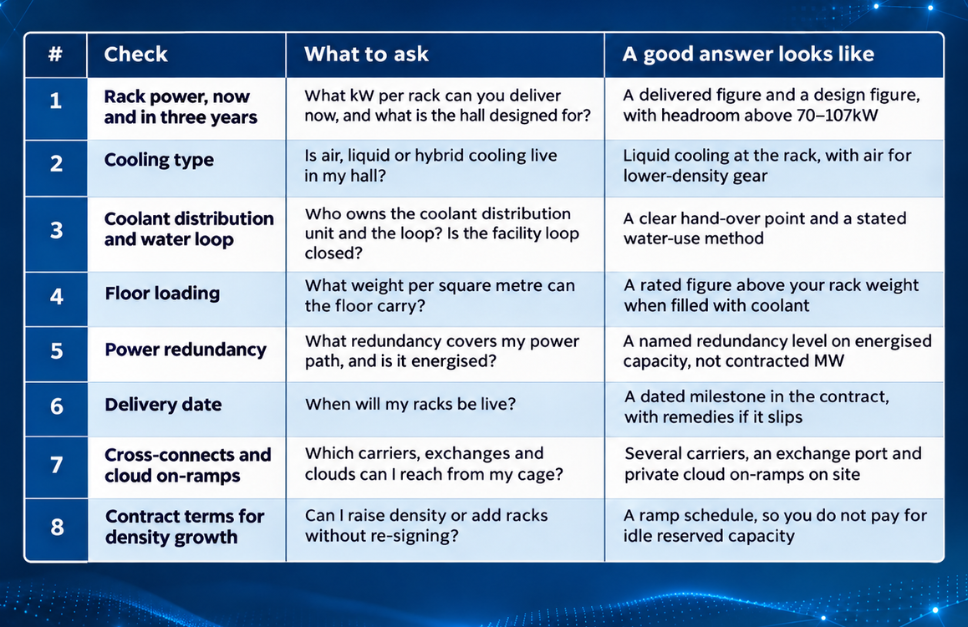
Use these eight checks with every provider on your shortlist. Ask for each answer in writing.
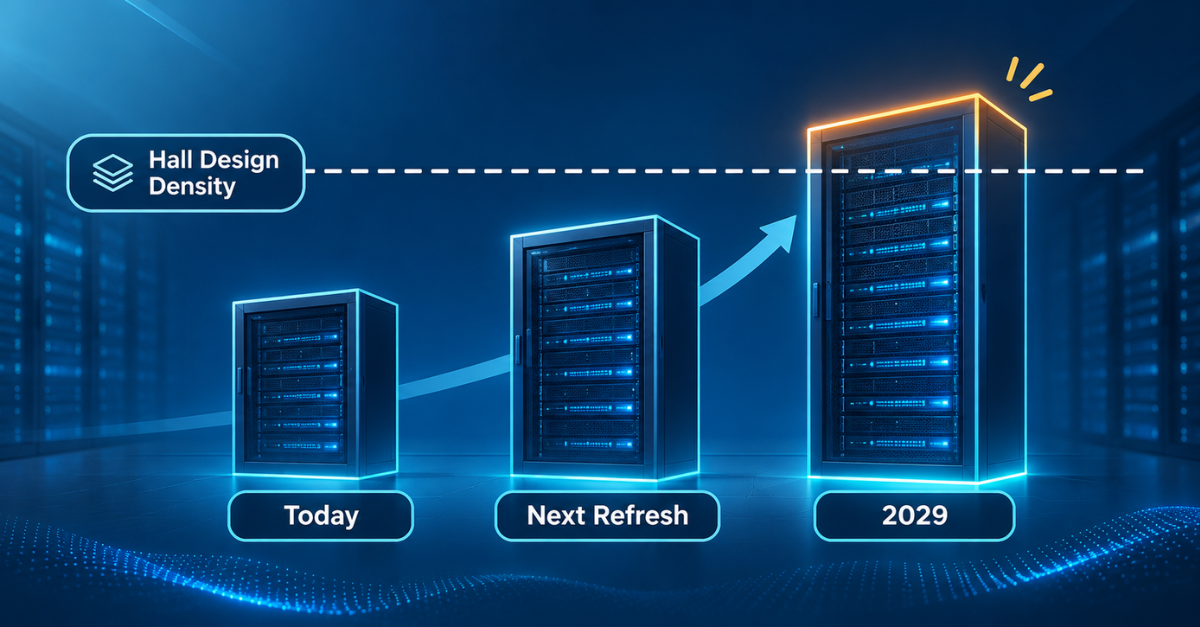
Plan for the rack you will run in 2029, not the one you run today. Each GPU generation has drawn more power per rack, and AI racks already reach 70–107kW.
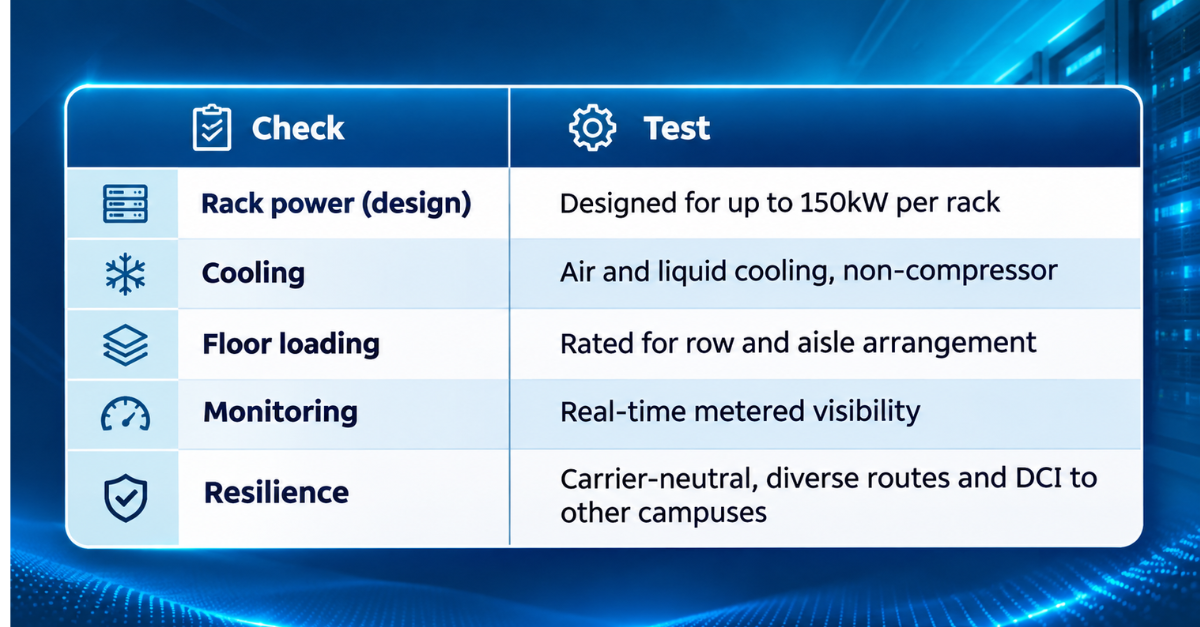
Ask for two numbers: what the provider can deliver to a rack today, and what the hall is designed for. If the design figure sits at today’s density, you will move halls at your next refresh. That move costs downtime and a new contract.
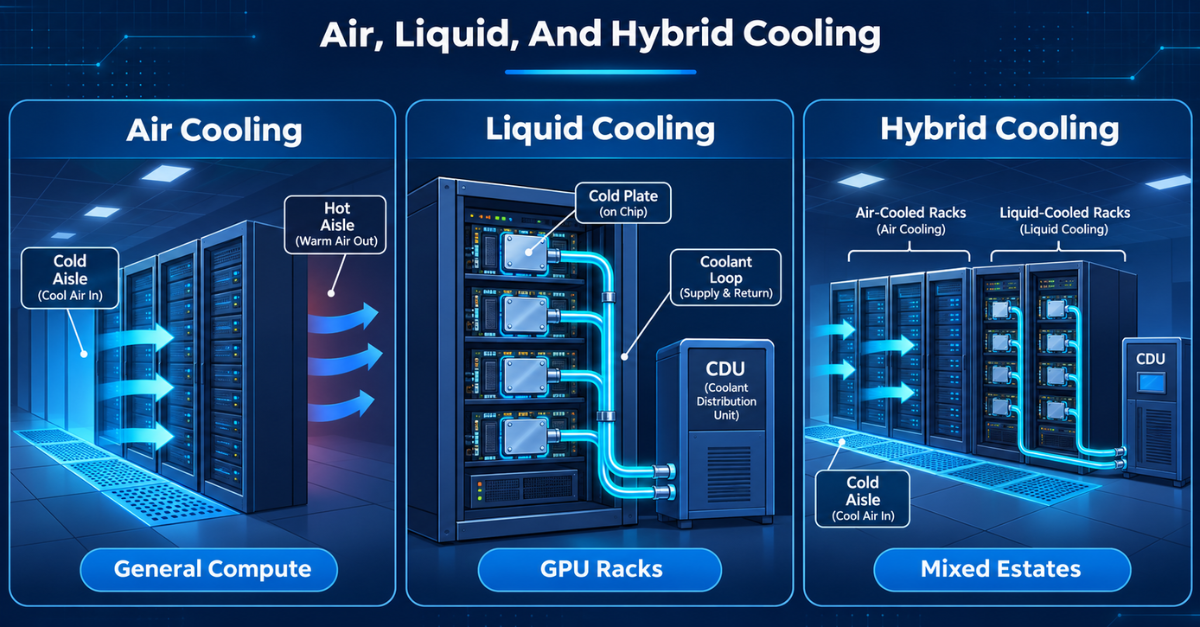
Most GPU deployments now need liquid cooling at the rack. Industry experts expect direct-to-chip liquid cooling to become standard within five to seven years.
Hybrid halls suit mixed estates. GPU racks take liquid, while storage, and network gear stay on air. Ask which halls offer both and whether you can change the mix later.
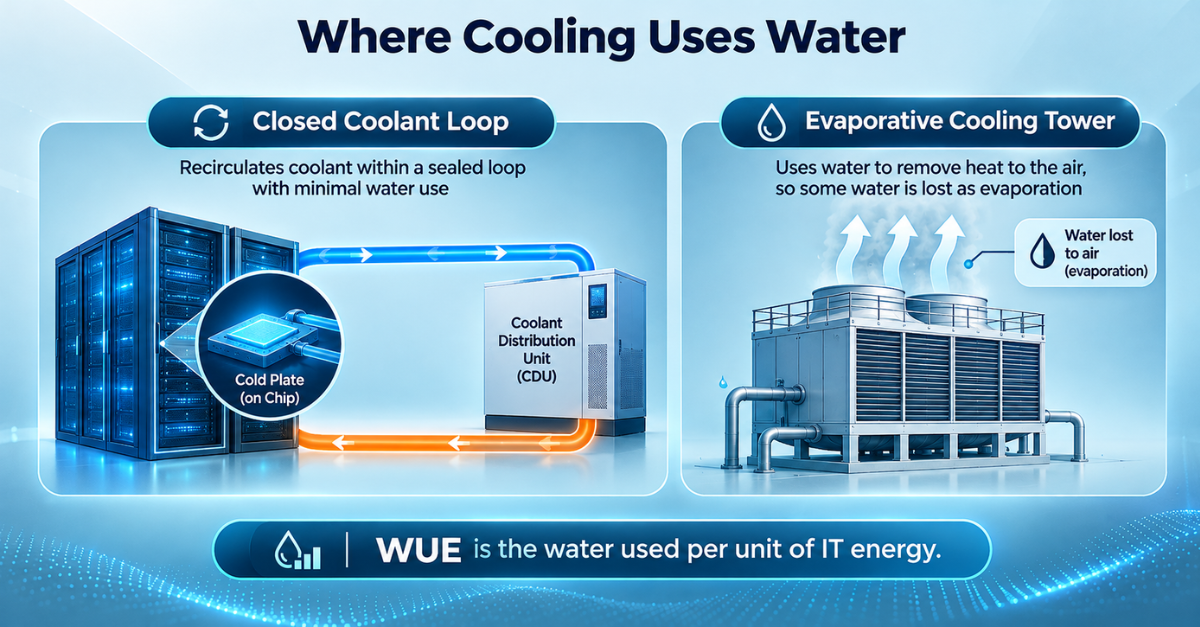
Water is now a planning constraint. Johor has asked developers to defer water-cooled expansion until mid-2027. Analysts expect Selangor’s water headroom to stay tight from 2027 to 2029.
The Ministry of Investment, Trade and Industry (MITI) design guideline sets a hyperscale water-use limit of WUE 2.2 m³/MWh, beside a PUE limit of 1.4. Ask how the provider’s cooling design affects both figures, and who owns the coolant distribution unit inside your cage.
Three things are often missed: floor loading, redundancy, and delivery dates.
Floor loading. Liquid-cooled GPU racks weigh more than standard racks, especially when filled. Ask for the rated floor load and compare it with your rack’s filled weight.
Redundancy on energised capacity. A redundancy level only helps if the power behind it is live. Ask how much capacity is energised today, separate from contracted or announced megawatts.
A delivery date in writing. GPUs lose value while they wait for a hall. Put the live date in the contract, with what happens if it slips.
A GPU cluster that cannot reach its users or its data is idle in capacity. Check for at least three carriers, an internet exchange port and private cloud on-ramps in the same building.
Cross-connects inside one campus are faster to deliver than links between sites. If your cluster serves inference to users, local peering will shorten its paths.
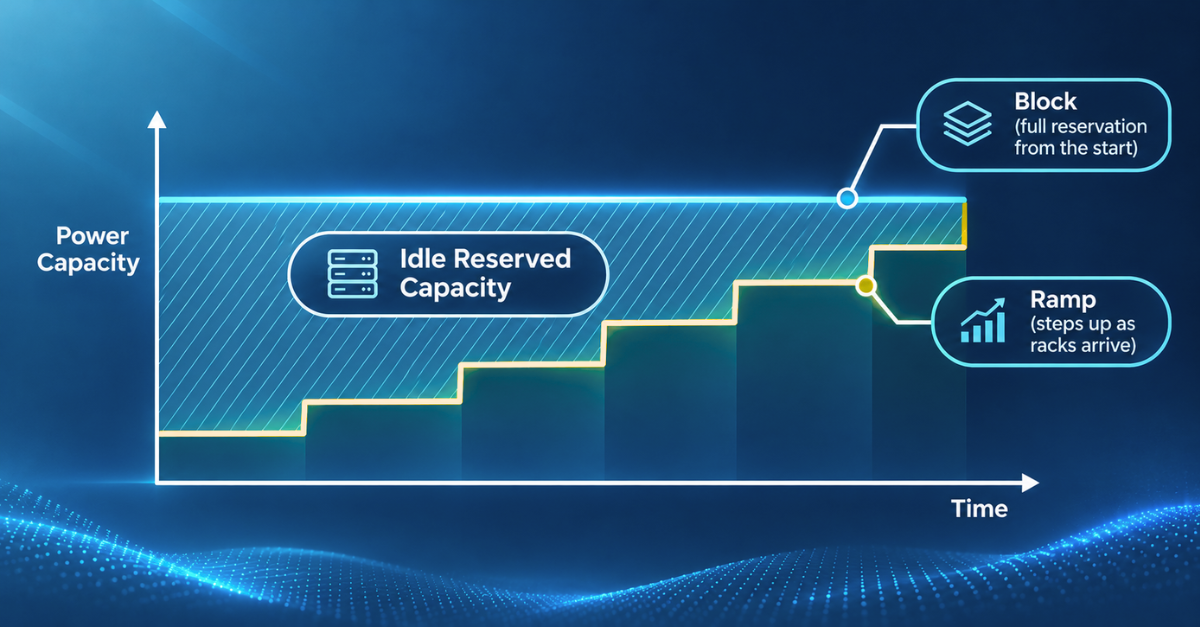
Buy a ramp, not a block. The proposed Digital Infrastructure (Data Centre) Bill could add fees for reserved capacity that goes unused. A schedule that adds racks as you deploy them keeps you clear of paying for idle power.
Ask for three terms: a right to raise density in place, a right of first refusal on adjacent space, and a clear notice period for each step.
Open DC’s PE2 campus in Bayan Lepas, Penang, has modular halls designed for up to 150kW per rack, with air and liquid cooling on one campus. About 15MW is energised.
For more on density, read Rack density in a data centre: the AI version. For hall specifications, see the PE2 facility page.
1. Buying for today’s density and moving halls at the next GPU refresh.
2. Accepting “AI-ready” without a design density and a live date in writing.
3. Reserving a full block of power months before the racks arrive.
4. Leaving the network until last, then waiting for cross-connects.
5. Ignoring water: the cooling choice affects both running cost and approvals.
Get a GPU deployment quote. Send us your GPU model, rack count, target density and live date. We will reply with a hall option and a ramp schedule. Get a GPU deployment quote →
What is GPU colocation? GPU colocation is renting space, power, cooling, and connectivity for your own GPU servers in a provider’s data centre. You own the hardware; the provider runs the building and its power and cooling.
How much power does a GPU rack need? AI racks in Malaysia now draw 70–107kW, according to industry experts quoted in September 2026. Buyers should choose halls designed above that range, such as PE2, which is designed for up to 150kW per rack.
Do GPU racks need liquid cooling? Most high-density GPU racks need liquid cooling at the rack, and experts expect direct-to-chip cooling to become standard within five to seven years. Hybrid halls keep lower-density gear on air.
Empowering Southeast Asia’s Digital Future.
For further enquiries
☎️: 03 8888 8188 (General Line)
📱: 012 3188 0446 (Sales)
Operating Hours: Monday – Friday, 9am – 6pm



Copyright © Open DC Sdn Bhd (1138988-T) | All Rights Reserved.