

Cooling the AI Boom: How Liquid Infrastructure Protects Your High-Density ROI The rapid surge in Artificial Intelligence (AI) and GPU-heavy workloads is fundamentally transforming the modern data centre. For hyperscalers, cloud providers, and AI platforms, this transformation brings a critical challenge: AI infrastructure is raising heat loads far beyond traditional comfort zones. As AI and GPU […]
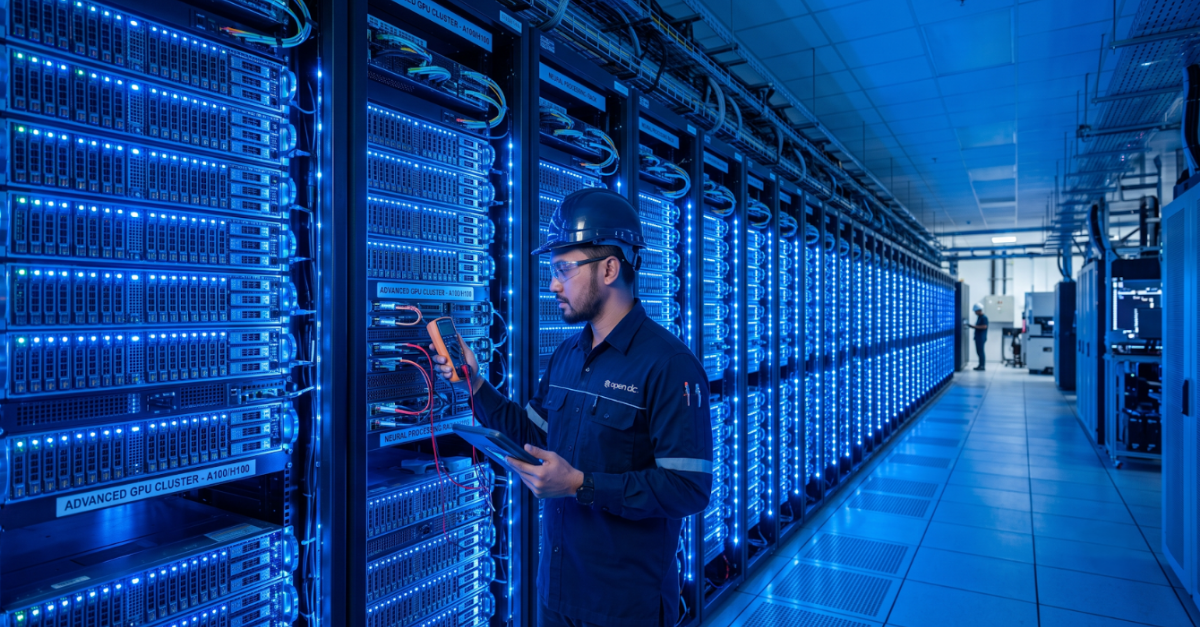
The rapid surge in Artificial Intelligence (AI) and GPU-heavy workloads is fundamentally transforming the modern data centre. For hyperscalers, cloud providers, and AI platforms, this transformation brings a critical challenge: AI infrastructure is raising heat loads far beyond traditional comfort zones.
As AI and GPU workloads increase rack power, cooling strategy is no longer just a facilities management issue; it is a board-level infrastructure question. Buyers rightfully worry that cooling limitations will delay deployment, reduce rack density, or increase operational risks.
To future-proof your deployments, it is essential to understand what liquid cooling is and why it is the cornerstone of AI-ready facility planning.
Traditional data centres rely on air cooling, which uses large computer room air conditioning (CRAC) units and raised floors to push cold air through server racks. While effective for legacy standard enterprise racks averaging 8kW to 15kW, air cooling becomes highly inefficient—and eventually physically inadequate—as power densities climb.
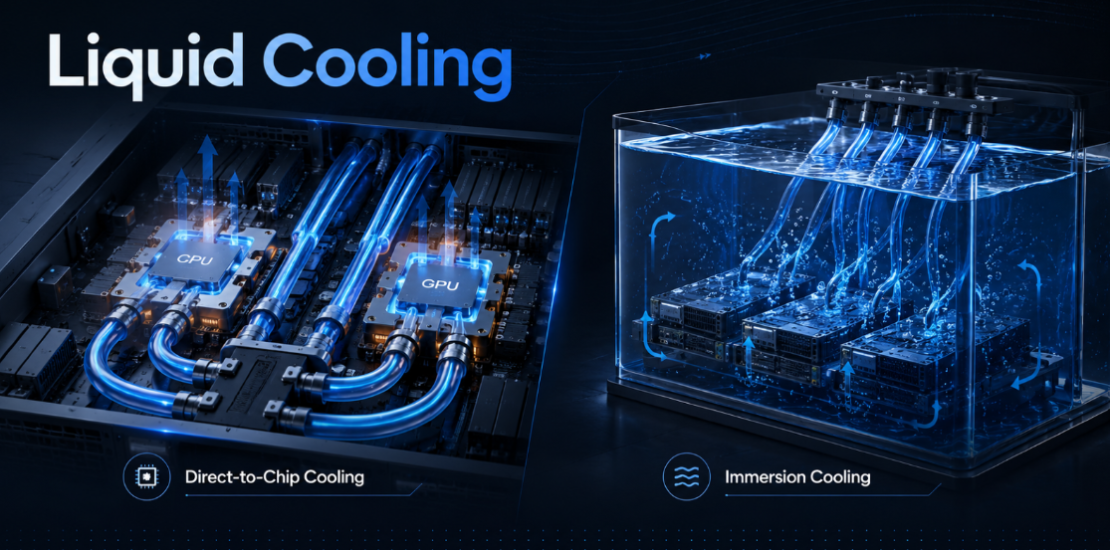
Liquid cooling replaces or supplements air by using liquids (such as chilled water or specialised dielectric fluids) to absorb and dissipate heat. Because liquid is vastly more efficient at transferring heat than air, it can cool high-density hardware directly at the source. This is typically achieved through:
For buyers evaluating a liquid cooling data centre in Malaysia, the shift from air to liquid is driven by three primary factors:
The defining shift in the market is the divergence between traditional cloud infrastructure and modern AI infrastructure. While standard racks operate comfortably around 10kW to 15kW, next-generation AI deployments and GPU clusters require dramatically more power. New AI requirements are pushing rack densities up to 130 kW per rack. At these extreme densities, traditional air cooling cannot move air fast enough to prevent hardware failure; liquid cooling becomes a mandatory technical requirement.
Deploying high-density racks without an optimised cooling strategy leads to exorbitant energy costs and wasted scalable power. Liquid cooling drastically improves a facility’s Power Usage Effectiveness (PUE). While standard legacy builds may hover around a PUE of 1.40 or higher, liquid-cooled, AI-ready builds can target way lower, more efficient metrics. This efficiency allows operators to allocate more of their power envelope directly to IT loads rather than cooling overhead.
The data centre industry is facing strict sustainability pressures, particularly concerning power constraints and water scarcity for cooling. Liquid cooling systems, especially closed-loop designs, can operate with significantly lower water usage and reduced carbon footprints compared to traditional evaporative air-cooling towers. This aligns perfectly with national green initiatives and the stringent ESG targets of global hyperscalers.
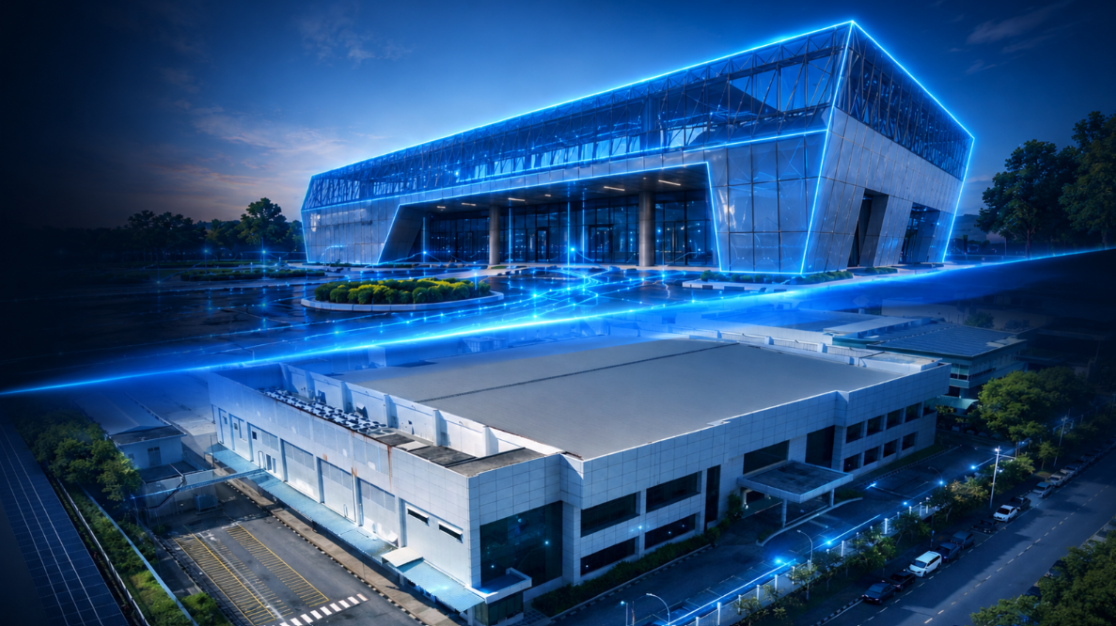
When planning for hyperscale or enterprise AI deployments, you need a facility that offers scalable power, resilient connectivity, and liquid cooling readiness from day one. At Open DC, our carrier-neutral data centres are designed to support the next generation of digital growth.
Avoid deployment delays and operational bottlenecks by partnering with an infrastructure provider that understands the precise technical demands of GPU workloads.
Ready to deploy your high-density workloads? Explore Open DC and its AI-ready, high-density deployment today.
Empowering Southeast Asia’s Digital Future
For further enquiries
☎️: 03 8888 8188 (General line)
📱: 012 3188 0446 (Sales)
Operating Hours: Monday – Friday, 9am – 6pm


Copyright © Open DC Sdn Bhd (1138988-T) | All Rights Reserved.